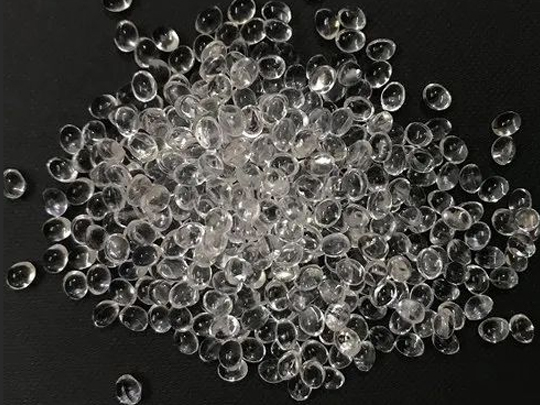
Plastic particles are a common plastic raw material, widely used in various industries and fields. Plastic particles have the characteristics of strong plasticity, good wear resistance, corrosion resistance, light weight and low cost, so they play an important "role" in various industries. This article will introduce the use of plastic particles in different fields.
More InformationThe overall demand for modified plastic raw materials is very large. It is estimated that the overall market has reached 13.61 million tons in 2017, and the amount of consumption is also growing rapidly, with a CAGR of 14.3% since 2004, which is higher than the overall plastic 9.6%.
More Information
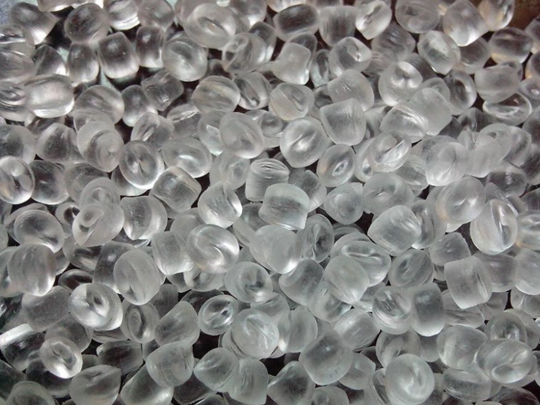
Ethylene-vinyl acetate, also known as poly, is the copolymer of ethylene and vinyl acetate. The weight percent of vinyl acetate usually varies from 10 to 40%, with the remainder being ethylene. There are three different types of EVA copolymer, which differ in the vinyl acetate content and the way the materials are used.
More InformationPolyolefin elastomer (POE) is an example of chemical compounds called polyolefin, which is obtained from the polymerization of ethylene, propylene or butane monomers with 1-butene and 1-octene monomers.
More Information
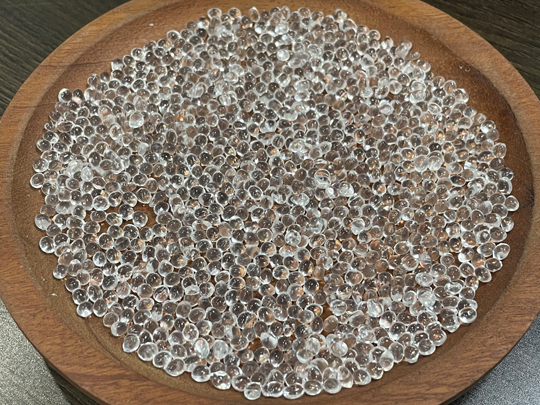
Ethylene Methacrylic Acid Copolymers (EMAA) are produced by reacting ethylene with methacrylic acid. The ethylene segments provide properties such as water resistance, flexibility, chemical resistance and flexibility. The presence of methacrylic acid brings polarity, adhesion, toughness, hot tack strength and low temperature heat sealability.
More InformationEthylene acrylic acid copolymer (EAA) is a material with thermoplasticity and very high adhesion. When the MI is the same, the transparency, toughness, cohesiveness and environmental stress cracking increase with the increase of the AA content; on the contrary, the rigidity, the vapor transmission rate and the chemical resistance are better.
More Information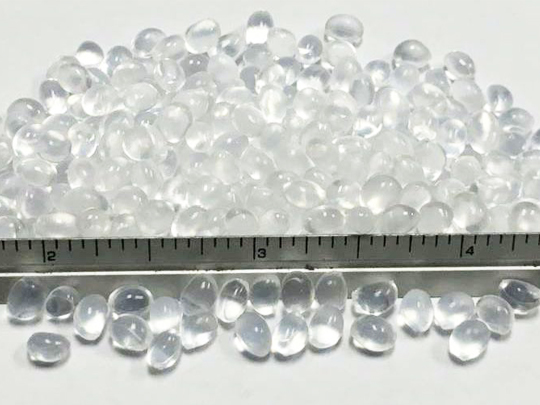

Jiangsu Yican Special Plastics Co., Ltd. is a product design innovation and material integration solution service provider, specializing in special high-performance plastics, fluoroplastics professional distributor.
24 hours free consultation
Please enter your contact number


 Sales consultant